Matchbox Cineclub, enjoying some disreputable trash.
Matchbox Cineclub‘s September screening was Nobuhiko Ôbayashi’s House (1977). It was part of the annual UK-wide Scalarama film festival which aims to celebrate independent cinema and DIY, pop-up cinema culture, often with a focus on what The Skinny called “the kind of disreputable trash the Scala specialised in”. We thought we’d take the opportunity to give everyone a little look behind the scenes of Matchbox Cineclub as we set up in our host venue, The Old Hairdressers.
Pre-production
Matchbox Cineclub #9: House poster by Julie Ritchie
We sourced and secured a licence to screen the film from Eureka Entertainment, set up an Eventbrite page to sell tickets, commissioned a poster (see left) from one of our favourite local illustrators, Julie Ritchie, and arranged to rent a screen from Glasgow’s CCA. We put together a 30-minute supporting programme of vintage Japanese TV ads from 1977 and trailers – for other Scalarama/Scaledonia screenings, KinoKlub’s Valerie And Her Week Of Wonders (Jaromil Jireš, 1970), SQIFF’s Desperate Living (John Waters, 1977) and Physical Impossibility’s Hercules Returns (David Parker, 1993); next month’s Matchbox film Nightbreed: The Director’s Cut (Clive Barker, 1990); The Sentinel (Michael Winner, 1977), Ruby (Curtis Harrington, 1977), House (Steve Miner, 1986), Death Bed: The Bed That Eats (George Barry, 1977) and School In The Crosshairs (Nobuhiko Ôbayashi, 1981).
On the day, we head down to The Old Hairdressers (via the CCA to pick up the screen) and up to the gallery space which, since Hairdressers boss man Rob Churm has already set up the PA for us, looks like this:
This slideshow requires JavaScript.
Step one: Build the screen.
We used to project straight on to the gallery wall, but that’s trickier with subtitled films because we can’t project high enough for folk to read the subtitles properly, and also the proper screen is much, much cooler. It is quite a task to put together, though, since it has to be completely taut and fastens to the frame with buttons. Since I took these photos, it looks like I didn’t help at all, but I really did, promise.
This slideshow requires JavaScript.
Step two: Seating
We use the Hairdressers’ own stock of seating: pews, chairs, blocks. In an ideal world, these would be plush sofas and bean bag chairs but, you know, austerity.
This slideshow requires JavaScript.
Step three: Build the projector stand
DIY cinema at its best/worst – several blocks piled on top of each other with a projector on top (not pictured, yet). No-one has knocked it over yet, but we all know it’s in the post.
Step four: Decorating
Every month we have these table lamps and reversible picture frames. Oftentimes, they yield fun easter-eggy secrets, sometimes just a picture of a terrifying ghost cat. Those who grab a premium table seat (at no extra cost!) have the fun responsibility for turning the lamps off and on.
This slideshow requires JavaScript.
Step five: Signage
Signage is very important in the labyrinthine Old Hairdressers, the gallery space of which can only be reached via two staircases, two left turns and one right. Also we like to let folks know exactly when the film starts so they don’t have to hang around with us any more than they absolutely have to.
This slideshow requires JavaScript.
Step six: Ready and waiting
Some candid shots of Team Matchbox, here. Chris Boyd and Craig McClure brandish their own arms thuggishly in front of our projected screensaver (which contains all the films we’ve shown plus some clues to upcoming screenings). Meanwhile, Matchbox founder and human Uncle Traveling Matt Tommy McCormick multi-tasks with some day-job responsibilities while manning the door.
This slideshow requires JavaScript.
Step seven: Watch the film
We usually project from laptop, whether it’s DVD, HD file or squeaky VHS rips of vintage TV commercials. We use the house mixing desk (which is ginormous) and PA. “This house is something, isn’t it, Melody?” It sure is.
This slideshow requires JavaScript.
Step eight: Force the audience to pose for photographs
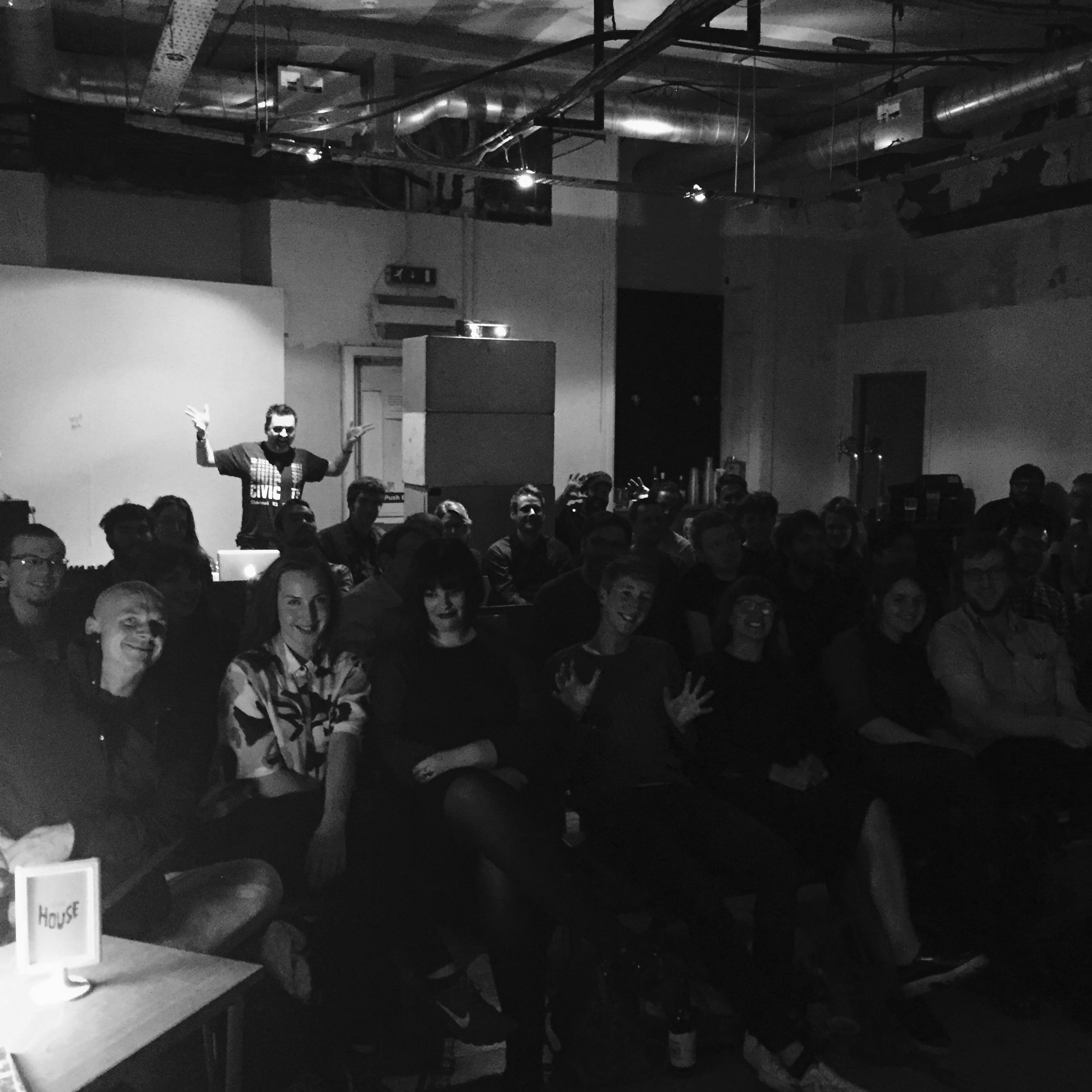
Yay, mission accomplished. Look at all these happy faces. Full disclosure, I bribed these guys with a chance to win a DVD copy of House. Note our wonderful DJ for the evening, Chad Palestine at the back and see the top of this post for our version of an audience survey.
And that’s more or less how we do it. If you’re interested in getting involved with Matchbox or want some advice on setting up your own film night, give us a shout at matchboxcine@gmail.com. Like us on Facebook here, Vimeo here and follow us on Twitter here.
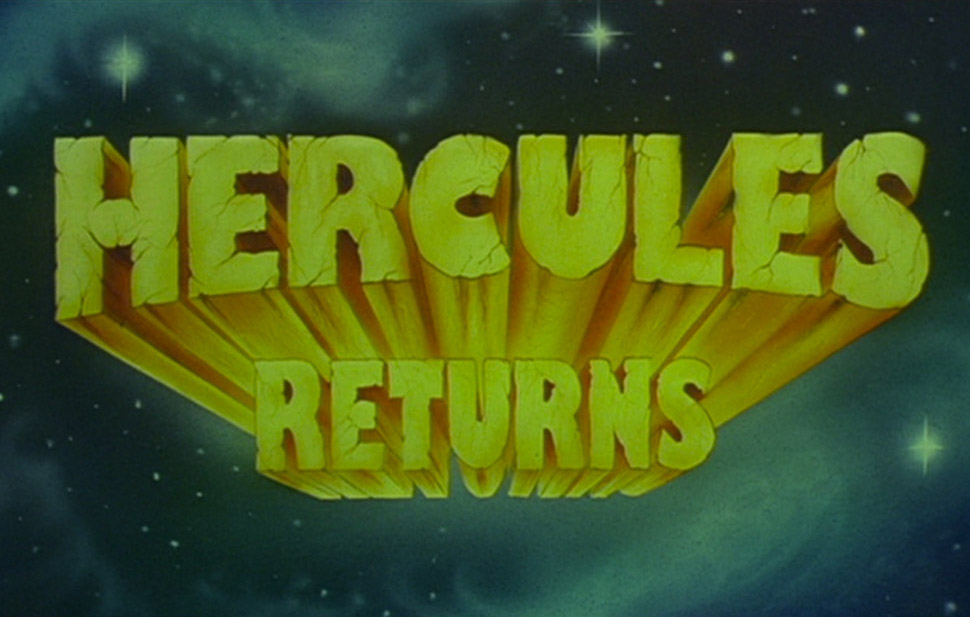
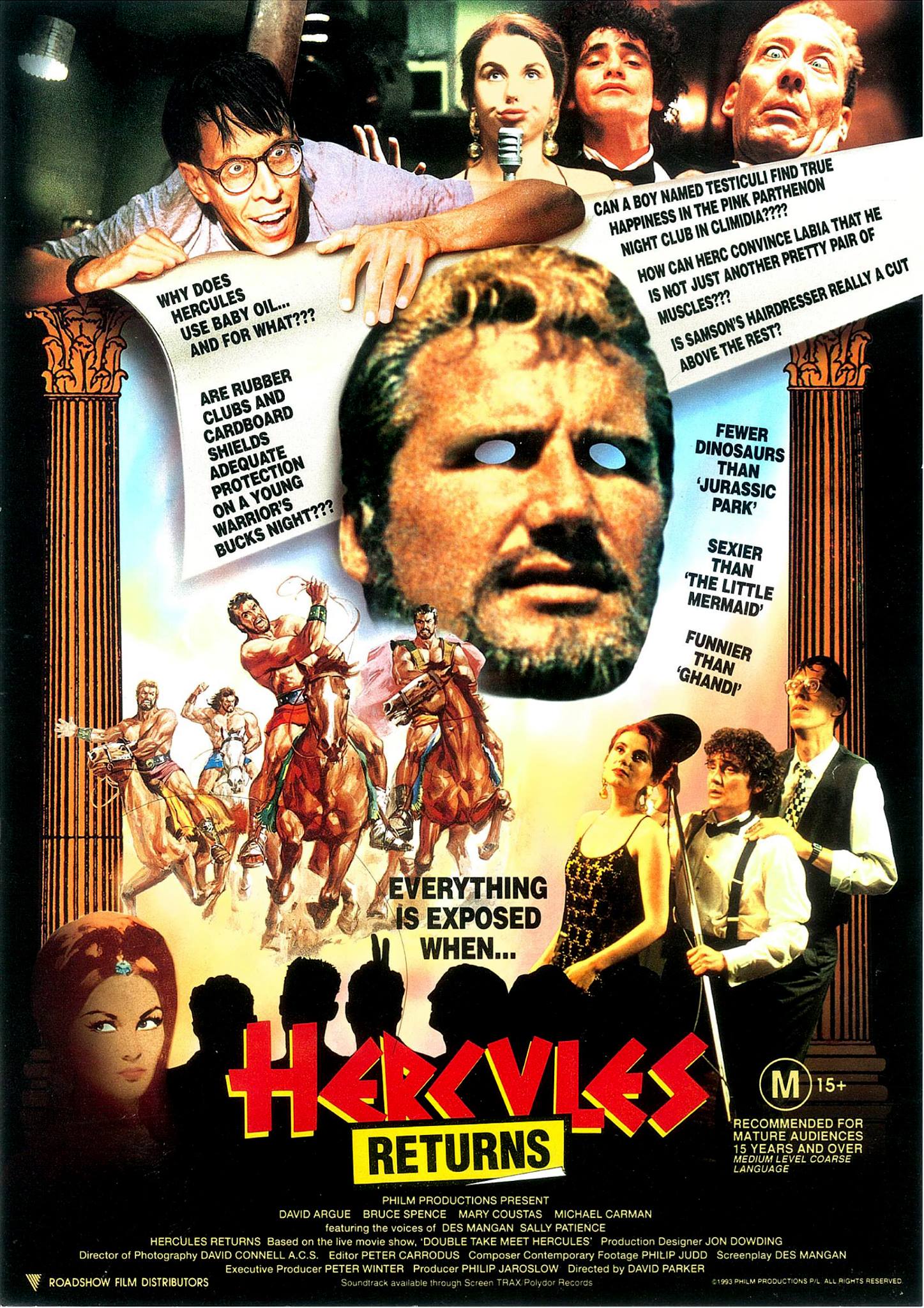
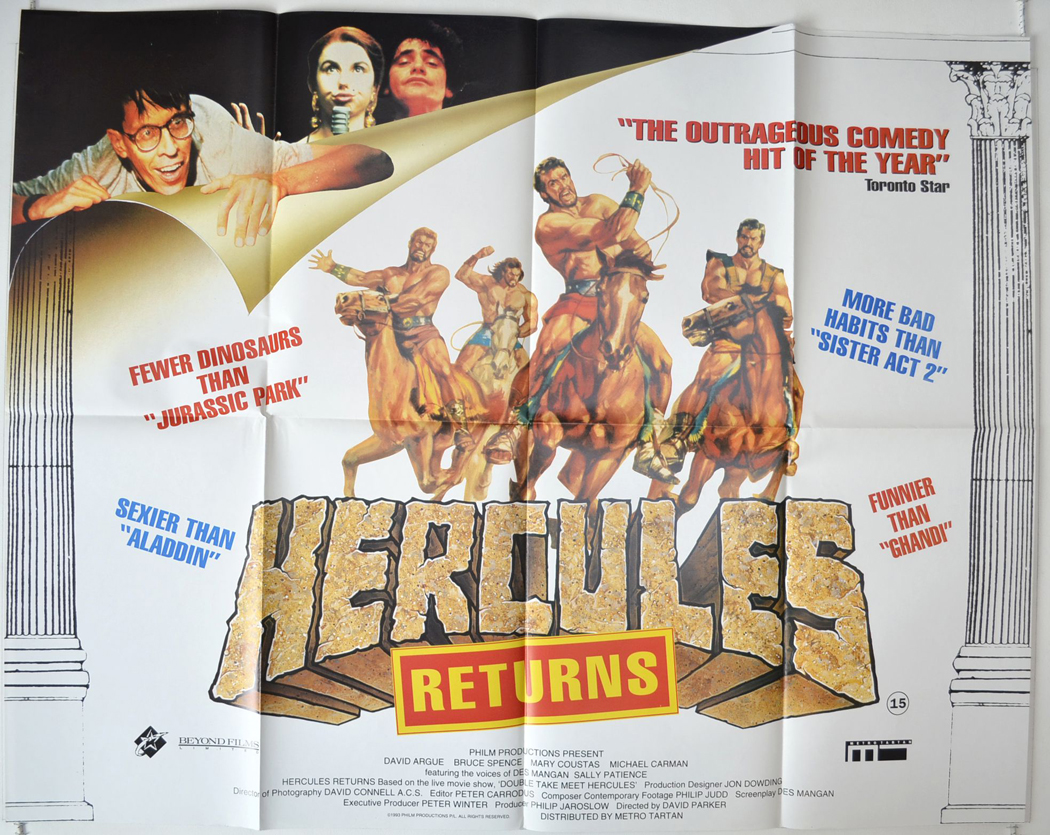
In the late 1980s, Australian comedy troupe Double Take brought their first live show, Double Take Meet The Astro Zombies, to London’s Scala cinema. Now, as part of Scalarama 2015, Physical Impossibility is bringing Double Take’s only film, Hercules Returns (David Parker, 1993), to the Grosvenor Cinema, Glasgow. There are three main reasons why Hercules Returns is still interesting. One, because it’s a David and Goliath tale of independent, outsider, arthouse cinéastes versus the bland, cookie-cutter corporate mainstream. Secondly, it belongs in a twin lineage of détournement and dub parody, repurposing trash as a weapon against lazy art. And, finally, after all these years, it’s just gloriously, stupidly funny. It’s a one-off, for sure, but where exactly did it come from? Finally, it can be told…
Sydney Morning Herald, 16/04/86
Sydney, early 1986. Recently unemployed 23-year-old Des Mangan sits on his living room sofa with girlfriend Lisa Sweeney. The young couple are surrounded by B-movie posters and shelves filled with VHS tapes – Godzilla vs Gigan, Drive-In Massacre, Rocket Attack USA. An actor since the age of 10, Mangan has credits on “all the 70s soaps, including the Young Doctors, The Restless Years and The Sullivans“, though his adult career peaked two years previously with the role of “workman” in an episode of soap opera Sons And Daughters. He’s embarked on a parallel career as a writer, cutting his teeth at Not Another Theatre Company and more recently for radio stations 2SM and JJJ, but his “retrenchment” from the latter has left him at a loose end. He’s concluded that whatever work he’s going to get, he’s going to have to make for himself, somehow. On the sofa, they fidget and chat, faces illuminated by the movie playing on the muted television. Thoughts of an uncertain future run in the back of his mind as, in the flickering light, the listless Mangan begins to put “silly words” into the mouths of the actors, in the same way, he’ll later reflect, “as everybody has done at some time or other”. Then, like a thunderbolt from Zeus himself…inspiration strikes! Why not do a whole film? “This way,” Mangan reasons, “you don’t have to do petty things like shooting the film or editing.”
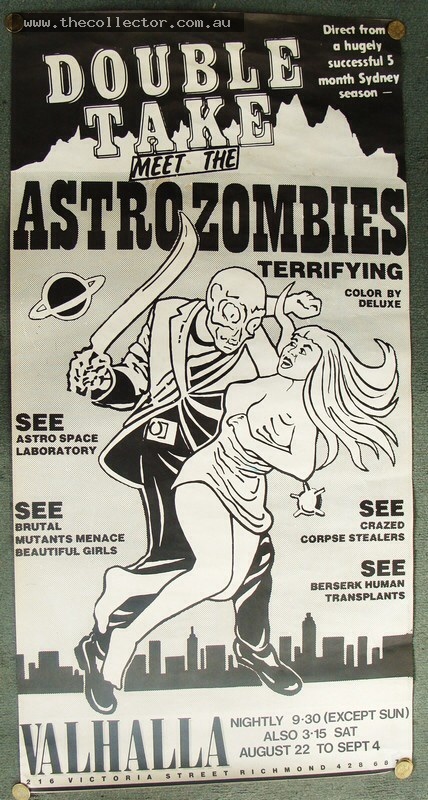
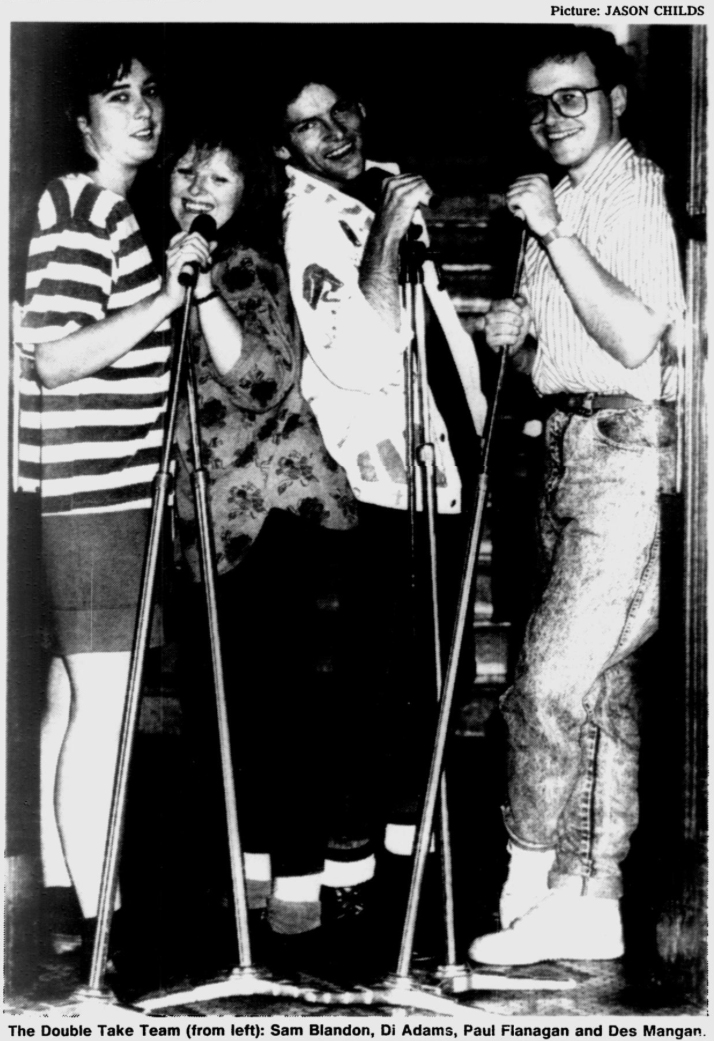
Double Take Meets the Astro Zombies debuted at the New Mandarin Cinema, Sydney on March 21st, 1986. “I was always the person asked to imitate a parent and I use different voices to tell a joke,” Mangan told Australian paper The Age in February 1989, by way of explanation, three short but eventful years later. Since that fateful evening in his apartment, the 26-year-old actor, now relocated to Melbourne, had spun a number of live shows based around one central conceit, and his Double Take ensemble had become local heroes of dub parody. Sitting at the back of cinemas like Melbourne’s Valhalla and the Academy Twin in Sydney (both now closed), Mangan, joined by Sweeney (for the first two years at least) and a seemingly constantly shifting cast of performers (including Di Adams, Sam Blandon, Paul Flanagan, Troy Nesmith, Carol Starkey and more), turned the sound down on a procession of “bad” movies and basically took the piss for 90 minutes. Valhalla audience members fondly recall the entire crowd being given paper bags with robot faces to wear over their heads while Double Take did their thing. Mangan preferred the term “lip-sync” over “dub” (“it’s a nicer word”) and, while it was live and thrived on audience engagement, it wasn’t quite improv. He explained to The Sydney Morning Herald, “Obviously, the shows are heavily scripted but, every so often, especially if a character has his back to the camera, you can slip in a new line.”
In 1987, they travelled to the UK for stints in Dublin, London and at the Edinburgh Festival, while Mangan was offered a 10-part television series by LWT, “re-dubbing old and forgotten TV serials”. On top of that, negotiations advanced regarding the filming of Mangan’s original screenplay, This One’ll Kill Ya. Within another three years, the team’s shows would gross over a million dollars.
The Age, 03/02/1989
In the meantime, Mangan and co followed Astro Zombies with Double Take Double Feature, the latter riffing on serial film The Phantom Empire (1935) and Dance Hall Racket (1953). According to Mangan, for a film to be considered Double Take source material, “it has to have lots of dialogue and look silly. It has to have big-looking characters and be obviously incompetently made.” The formula honed to near-perfection, Mangan prepared for his most challenging production yet, Double Take Meet Hercules. A February 1989 interview Mangan gave to Australian newspaper The Age further explained both Double Take’s process and the unique challenge of Hercules. “The script is produced (after six weeks of writing to a constantly rewound videotape)…in this case the script was particularly difficult to write – [Mangan] didn’t know the original plot because it was spoken in Italian.”
This slideshow requires JavaScript.
A friend had sent Mangan a copy of Ercole, Sansone, Maciste E Ursus Gli Invincibili (Giorgio Capitani, 1964) in the post. The film was a late link in the long chain of Italian sword-and-sandal or “peplum” films which had begun with Le Fatiche di Ercole (Pietro Francisci, 1958). The English-language title of Capitani’s film is Samson And His Mighty Challenge, though the original title translates as Hercules, Samson, Maciste and Ursus: The Invincibles, making it a kind of Peplum Avengers (or, if you ask Mangan, “the Dirty Dozen of the Greek set”). Alan Steel (AKA Sergio Ciani) was the twelth actor to take on the Hercules role in seven years, teaming up with the fantastically named Nadir Baltimore (Nadir Moretti) as Samson, Howard Ross (Renato Rossini) as Maciste and Yann L’Arvor as Ursus. To give the original film its fair due, while it doesn’t represent the pinnacle of its genre, it was light in tone to begin with, just not quite as bright as it would become. The two films share a relationship not dissimilar to that between Zero Hour! (Hall Bartlett, 1957) and Airplane! (Jim Abrahams, David Zucker, Jerry Zucker, 1980); only Mangan and his team could have extracted what would become Hercules Returns from Samson And His Mighty Challenge.
The Sydney Morning Herald, 28/09/89
At any rate, Mangan reasoned, “I don’t think any of the audiences who saw Hercules on television in the ‘70s took it seriously. Film-wise people are more educated and more attuned to cliches.” The first run of DTMH was performed by a team that included Sam Blandon, Di Adams and Paul Flanagan alongside Mangan. By the time of the movie, Double Take had become a duo comprised of Mangan and dancer-turned-actress Sally Patience, who’d signed up sometime around 1989. That classic line-up, soon to be immortalised in film, worked so well together and became “so attuned to B-movie production values that they found themselves automatically reworking the CNN reports during the Gulf War.” Mangan, meanwhile, found that the show was “gaining momentum and audiences, so we decided that we’d really love to record it and send it out there. You know, let it go like a little child. And so more people could see it, naturally.”
(L-R) Troy Nesmith, Sally Patience, Des Mangan (1989)
As luck would have it, American businessman Phil Jaroslow was among the crowds that regularly flocked to see Double Take Meet Hercules in Melbourne. “I was at the Brighton Bay cinema watching 430 people killing themselves laughing. Hey, I said to myself, that’s a good idea.” First-time producer Jaroslow bought Mangan’s script, hunted and secured the rights for Ercole… from an Italian agent, and hired cinematographer David Parker to make his directorial debut with a brand-new wraparound story. Parker had also seen the Hercules show and been “very amused and in awe of what they did.” Mangan, who refrained to direct himself (because he was “frightened” of the scale) realised that because “not everyone knows who Double Take are,” that they would need a story “to explain why these characters end up dubbing a movie live in front of an audience”. He came up with the idea of “having a guy who was unhappy with his lot, working for a big distribution company so he takes over his own theatre.”
This slideshow requires JavaScript.
As Brad McBain, the listless cinephile who decides to strike out on his own, they cast David Argue (star of Gallipoli, BMX Bandits and Razorback)alongside Mad Max icon Bruce Spence, TV comedian Mary Coustas and Michael Carman as the villainous Sir Michael Kent, of the Kent Corporation. From his own pocket, Jaroslow provided a budget of “well under” a million dollars Australian, which stretched to a crew of 140, 200 extras and a shooting schedule of just eight days, mostly in and around Melbourne’s Palais Theatre. Just as they did in live performances, Mangan and Patience stayed out of the spotlight throughout, with Argue, Spence and Coustas miming to their performance where the two sections of the film overlapped.
Argue explained the material’s attraction for him. “It’s not often that you get to do quality slapstick. And it’s real slapstick, towards the end. Towards the beginning, it’s like, ‘Oh, here’s an interesting Australian film about some decent characters. I wonder where they’re all going?’ And where they all go is the bio box [projection booth] and end up splashing around like three mental cases in a Driclad pool with legs of lamb, belting each other.” He enjoyed working with Parker because of his sense of humour, explaining, “when he laughs his belly shakes and his eyebrows fly off his head. We have to wait ten minutes for his crew to come and sew them back on to his face. So it’s good value. At least that keeps the tension off.”
Australian film critics and TV personalities Ivan Hutchinson and Margaret Pomeranz were given cameos, reviewing the film while exiting the theatre: “I loved it. I’d give it a five.” (in 2003, Pomeranz would lose her position presenting films on Tuesday nights on SBS at the same time Mangan lost his own Monday slot). Critic David Stratton (Pomeranz’ co-presenter on The Movie Show) claimed he’d also been invited to cameo, but couldn’t due to a scheduling conflict. All of which at least suggests a clever scheme to get the critics on-side. If so, while it was a good effort, it was ultimately doomed.
On Thursday January 28th, 1993, Hercules Returns debuted with a midnight screening at the Sundance Film Festival, in a strand alongside Peter Jackson’s Braindead (AKA Dead Alive) and Tetuso II: Body Hammer (Shinya Tsukamoto). The Sundance programme proudly claimed that Parker “hits the high-camp bull’s-eye with each shot.” Variety found that “the film has an endearing, slapdash feel to it”. After Sundance, Hercules Returns went on a festival run before its theatrical release, taking in Seattle International Film Festival (1993), Venice International Film Festival (1993), Washington Film Festival (1993), Denver Film Festival (1994), Helsinki Film Festival (1994) and San Diego International Film Festival (1995). The Venice Film Festival provided the first opportunity to gauge an Italian-speaking audience’s response to the (ab)use of Giorgio Capitani’s film. David Parker recalls, “I think given that the Hercules movies from that era – and the original Hercules we worked on – were a bit of a spoof anyway, I don’t think there was any problem with it. There was nothing sacrilegious, that’s for sure, in we were doing film from the Italian point of view. ” Parker continues, “[Capitani] actually contacted me and wished me luck. He hadn’t seen it but he thought it was a wonderful thing to have happened to his movie. Which was a relief – I’m glad he wasn’t attached to the Mafia or anything or had a different reaction.”
Double Take’s movie debut debuted in Australia on 16th September, 1993, and this was when the cold, hard reality must have begun to set in. For The Age, Hercules Returns was “an excessively limited set of variations on one idea”, while Lynden Barber of the Sydney Morning Herald found that, “having erected this awkward structure, the film-makers fail to extricate themselves from it without pain.” David Stratton, writing in The Weekend Australian and perhaps glad he’d dodged his cameo, damned the film with faint praise. “This is not by any means a new concept…but it works well, thanks to some raucously ridiculous dialogue and bizarre Aussie slang.” Hercules Returns was released in UK cinemas on May 6th, 1994. Mark Kermode’s two-star review for Empire magazine was unforgiving, acknowledging the success of the live show but proclaiming the film to be “a sobering aftertaste of a joke best swallowed live and washed down with copious quantities of ale.” Parker later reflected that “the difficulty with that film was that there was something very tactile, I suppose, about a live performance, and that’s not what you have with the film.”
“Everyone laughs at fart gags,” Sally Patience told the Independent in late 1993. “Critics may just go, ‘Oh, it’s toilet humour’, but you know that they’ve secretly been enjoying it.” Ultimately, the film made $318,788 at the Australian box office, something around $555,000 in today’s money (approx £255,000), making it a financial failure and definitively scuppering any plans for sequels. Phil Jaroslow retired from the movie-making business and is currently CEO of Australia’s largest manufacturer of frozen cookie dough.
Mangan and Patience continued performing as Double Take during and after the film’s release, bringing Double Take Meet The Killer Bees to the UK for a run at the Prince Charles Cinema, London in 1993. The Independent described the show, based on Alfredo Zacarías’ The Bees (1978) as “90 minutes of non-stop sabotage”. The Killer Bees was followed first by Double Take Meet The Pirates, riffing on Morgan, The Pirate (André de Toth, Primo Zeglio, 1960), and then Double Take In Outer Space, based on Star Crash (Luigi Cozzi, 1978), before Double Take disappeared into a 10-year hiatus. In 2006, Mangan returned briefly with a new live show, Double Take’s Horror Hospital (based on Antony Balch’s 1973 film of the same name), and a new creative partner, Gabrielle Judd.
David Parker resumed a successful career as a cinematographer, often in collaboration with his wife, the director Nadia Tass, though he returned to the director’s chair once for the spectacularly mis-timed paparazzi-themed rom-com Diana & Me (1997) and then again for this year’s The Menkoff Method. Filmmaker Mark Hartley, who got one of his first credits on Hercules Returns, as “music video director”, went on to produce a trio of hugely popular documentaries on cult cinema – Not Quite Hollywood (2008), Machete Maidens Unleashed (2010) and Electric Boogaloo: The Wild, Untold Story of Cannon Films (2014).
When he passed on directing Hercules Returns, Mangan referred to his mooted directorial debut. “I want to do something like Unbelievable Truth or something, where there’s four people in it. That’ll be my first one. Unbelievable Truth II. With Hercules in it, of course.” It never materialised, nor did This One’ll Kill Ya. Mangan is still best known, in Australia at least, for presenting cult movies on the SBS channel (UK readers may think of Alex Cox or Mark Cousins presenting Moviedrome). He wrote a book, This Is Sweden Calling (foreword by Gina G), based on his experience presenting Eurovision as Australia’s answer to the UK’s Terry Wogan. Recently, he’s reprised his real-life role as cult movie presenter for the Garth Marenghi-esque series Top Knot Detective.
Despite the muted critical response and modest financial return, Hercules Returns has that often-coveted, rarely genuine cult status. 22 years later, despite being, officially at least, long-unavailable, fans across the world have an enormous amount of affection for it. Whether on IMDb, YouTube, Amazon, Rotten Tomatoes, random forums or countless blogs, wherever Hercules Returns pops up, you’ll find dozens of comments along the lines of “funniest film EVER!” or “my favourite comedy of all time,” It currently holds a 95% audience score rating on Rotten Tomatoes – “no critic reviews yet” and still no other film quite like it.
Hercules Returns screens at Grosvenor Cinema Glasgow on Saturday 26th September 2015, as part of Scalarama 2015. Tickets on sale here. Keep up-to-date at the Facebook event page here.
UPDATE: Read our exclusive interview with Des Mangan here.
Poster by Paul Jon Milne
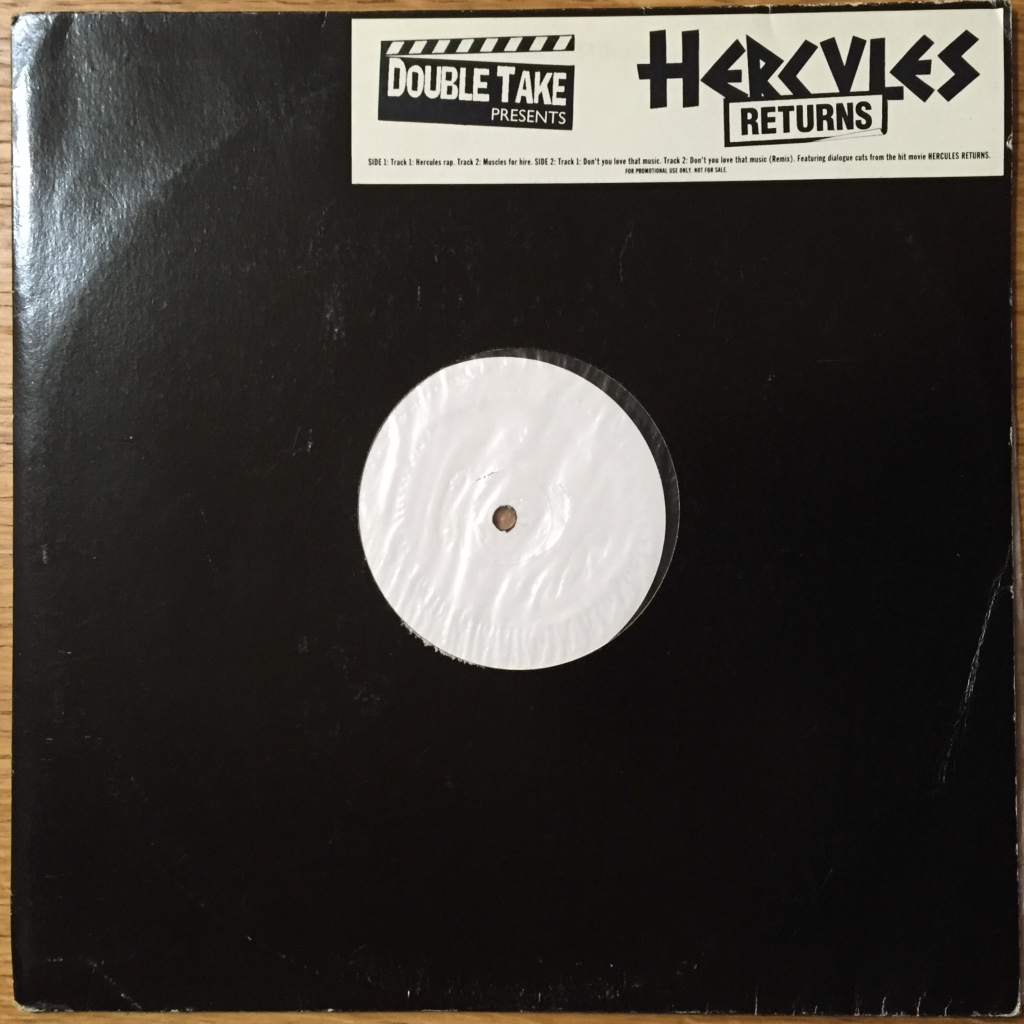
BONUS: SOUNDTRACK
I picked up a white label 12″ of the Hercules Returns soundtrack, apparently given to the seller by the producers for a possible UK release. Give it a listen over at Soundcloud…
Pasolini (Dir. Abel Ferrara, 2014) is screening at GFT from today, Friday 11th September, to Thursday 17th September. GFT have also programmed single screenings of Pasolini’s The Gospel According To St Matthew (1964) and Salò, or the 120 Days of Sodom (1975). My accompanying programme note will be available at screenings and there’s an online version at GFT’s blog here. GFT archives all its programme notes online here.
This slideshow requires JavaScript.
If you have any thoughts on Pasolini or my note, I’d love to hear them – post a comment here or on GFT’s blog (or you can even email me here).
Matchbox Cineclub’s September screening, part of Scalarama 2015, will be Nobuhiko Obayashi’s House (1977). House is a Japanese film about a group of schoolgirls terrorised by a haunted house, which is also the very least of it. It was a struggling Japanese film industry’s answer to Jaws, made by an avant garde filmmaker who’d made his name at the pioneering edge of advertising. “I have the energy to make 10 or 20 Jaws if I’m asked,” said Nobuhiko Ôbayashi, and the film he did make was indeed 20 times harder to describe than Spielberg’s blockbuster. Here are some of the tries people have made:
“An episode of Scooby-Doo as directed by Mario Bava…an unforgettable mixture of bubblegum teen melodrama and grisly phantasmagoria…a rollercoaster ride without brakes…a psychedelic ghost tale…a stream-of-consciousness nightmare sprung from a troubled head resting on a hot-pink pillow…Douglas Sirk on acid…a gloriously candy-coloured fever dream that has the ever-fresh quality of true eccentricity…Ringu on a Pixy Stix-fueled hug-a-thon…Pee-wee’s Playhouse with a witch that eats schoolgirls, only amped up by a factor of 100…the perfect synthesis of the avant-garde and the commercial.”
So, writing about House is a little like dancing about architecture. It has to be seen to be believed, and even then it doesn’t make easy for you…
The screening takes place from 7pm on Thurday 17th September, in the gallery area of The Old Hairdressers, Glasgow. After the screening, there’ll be a soundrack-themed set from Chad Palestine (Blue Sunshine, Monorail). Admission is £3 via Eventbrite. This month’s screening is by arrangement with Eureka Entertainment.
Keep up-to-date via the event’s Facebook page here.
”I want everyone to know that whoever is involved in the sequel is jumping on board a poison ship. It will be a terrible film, with a horrible reason [sic] d’être: to make money off someone else’s creativity.”
James Franco on Spring Breakers 2: The Second Coming
The fable of the scorpion and the frog goes like this: a scorpion needs to cross a river and asks a frog to take him. The frog, reasoning that the scorpion will sting him, refuses. “Come on,” the scorpion argues, “If I sting you, we both drown.” The frog, therefore persuaded, agrees to take him. And so, midway across the river, the scorpion stings the frog and they both begin to drown. The frog, dying, gasps, “Why?!” to which his erstwhile passenger, similarly sinking, replies, “What did you expect? I’m a scorpion!”
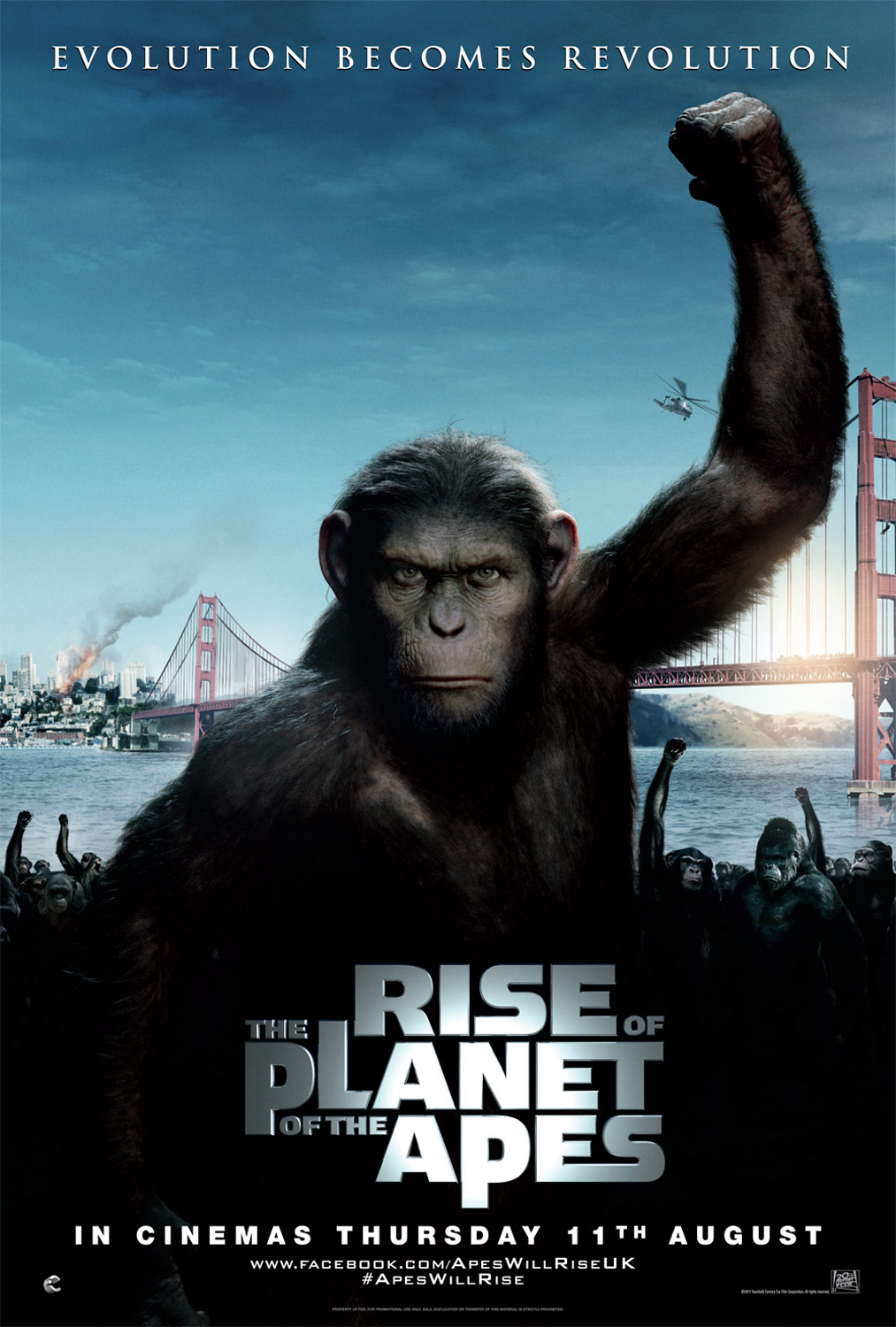
James Franco displayed a similar lack of nous while decrying the proposed sequel to Spring Breakers (Harmony Korine, 2012). “This is not being done with Harmony Korine or my consent,” he explained. “The original was wholly Harmony’s creation and these producers are capitalizing on that innovative film to make money on a weak sequel,” the star of Rise Of The Planet Of The Apes (Rupert Wyatt, 2011) continued, shocking precisely no-one.* Most sequels are unnecessary. Many are unfortunate, others simply unlikely. Some are, at best, of dubious legality. But, inevitably, some of the most ill advised, ill conceived and ill fated are in fact entirely legitimate.
That’s because anyone, (though first time writer-directors are probably the most susceptible) going cap in hand for funding, distribution or both will find themselves signing away all their rights – merchandising, sequels – just to get the thing made. If your film does well, the safe-playing moneymen are likely to want all of the band back together, the better to repeat the trick exactly, while if your film does no business, you’ve got nothing to worry about anyway. And, regardless, no matter how many cautionary tales you hear, no matter how hard your spider-sense is tingling, they’ll always get you with the “What’s 100% of nothing?” rationale. And if you’re a fledgling auteur proposing a singular, self-contained statement of intent for your directorial debut, it’s probably furthest from your mind that anyone’s going to want to exploit what is after all just a standard contract clause – right?
However, Hollywood doesn’t know how to leave well enough alone when there’s a potential franchise to be sown. Not even such self-evidently one-and-done films as Casablanca (Michael Curtiz, 1942), Blade Runner (Ridley Scott, 1982) and Gladiator (Ridley Scott, 2000) are safe from the ongoing threat of sequelisation (see Nick Cave’s Gladiator 2). The very existence of Titanic II (Shane Van Dyke, 2010), tagline “100 years later, lightning strikes twice,” shows that there really are no depths studios won’t sink to chasing a buck (however tongue-in-cheek the Asylum’s production is). A Blade Runner sequel actually seems more likely than ever, given the participation of Ridley Scott, posing conflicted fans a difficult question: might it be good?
The common theme, of course, with what I’m calling cheeky sequels is that without exception they’re awful – travesties that insult audiences and the original creative team in equal measure, and which exist only, as Franco was so keen to point out, to wring as much money as possible out of an original property. Unlike straightforward sequels, they can’t or won’t get the old team back together, usually because the original has no obvious sequel potential or quite often because the main characters died at the end of the first story.
For example, who could blame Donnie Darko (2001) director Richard Kelly for failing to predict his esoteric teen time-travel suicide movie doing so well that S Darko: A Donnie Darko Tale (Chris Fisher, 2009) would be given the green light? “To set the record straight,” Kelly told Slashfilm, “I haven’t read this script. I have absolutely no involvement with this production, nor will I ever be involved. I have no control over the rights from our original film, and neither I, nor my producing partner Sean McKittrick stand to make any money from this film.” And who would possibly expect a sequel to Easy Rider (Dennis Hopper, 1969), the seminal standalone saga with the famously grim ending? Nobody, but Easy Rider: The Ride Back (Dustin Rikert, 2012) exists nonetheless, thanks to lawyer Phil Pitzer, who sued, somehow successfully, original producers Bob Rafelson and Bert Schneider in order to write, produce and star.**
Clearing the decks is often necessary simply because the creative team has moved on, reluctant to repeat themselves or to be typecast. Such is the case with Mean Girls (Mark Waters, 2004), really the brainchild of writer Tina Fey, who said of the proposed follow-up, “Paramount was very generous and solicitous with me for several years, saying, ‘Would you like to do it?’” Fey didn’t, believing a sequel was unwarranted. “I should have done it,” she concluded, “because now it’s happening anyway!”***
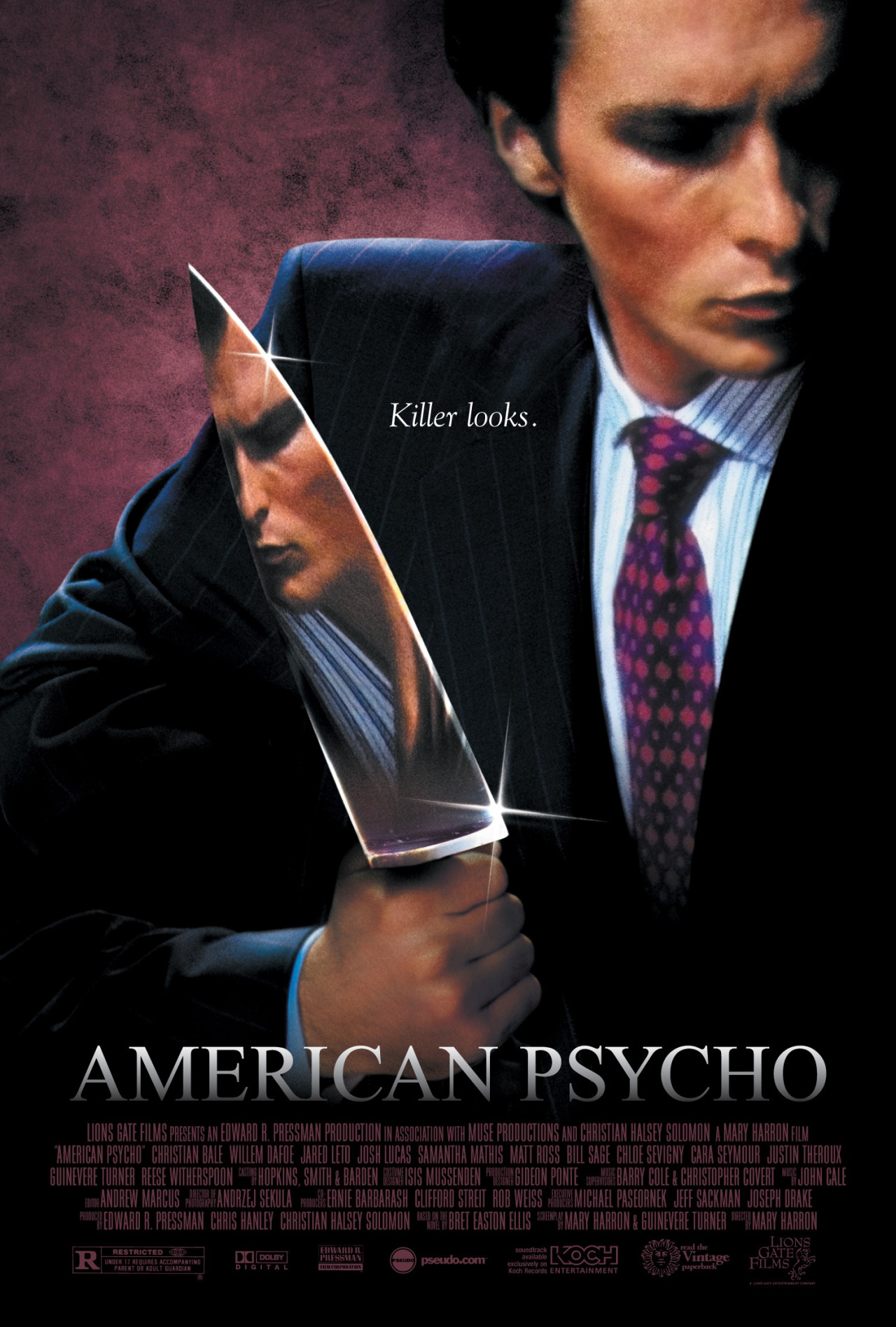
Then there’s perhaps the most cynical of the cheeky sequels, those where even the second-rung sophomore crew don’t know what they’re getting into. For example, when Mila Kunis signed up for a project called The Girl Who Wouldn’t Die, she couldn’t have predicted it would be retitled American Psycho II: All American Girl (Morgan J Freeman, 2002). It’s not terribly unusual for original films to be retitled as sequels to otherwise unrelated films, but Kunis’ folly might be the definitive cheeky sequel. Original American Psycho author Bret Easton Ellis bemoaned, “I’ve sold the rights, but I really don’t know how they ended up with all of these rights.”
“I’m speaking up for Harmony and his original vision,” concluded James Franco, “and for any creative person who cares about preserving artistic integrity.” And, of course, it’s hubris indeed to undermine the famously ambiguous ending to the successful adaptation of a seminal novel. However, as Ellis pointed out, “Basically, the book really kind of survives… So far, none of these movies has blotted out the book for the reader.” Kunis, Franco’s co-star in Oz The Great And Powerful (Sam Raimi, 2013) – itself “inspired by” the L Frank Baum book series and the 1939 film – feels differently. “Please, somebody stop this,” she was quoted, after hearing of a third American Psycho in production, “Write a petition.”
Sean Welsh
* Continuing his Spring Breakers 2 rant, James Franco appealed to our common sense: “Can you imagine someone making the sequel to Taxi Driver without Scorcese [sic] and DeNiro’s consents? Insanity!” He’s right, of course, though he clearly hasn’t heard of The Bronx Bull (Martin Guigui, 2014), which first entered production as the Jake LaMotta-approved Raging Bull 2, before rights-holders MGM objected.
**As horrendous as that sounds, it’s not the first time an Easy Rider sequel has been mooted. In 1992, a dispute over ‘lost’ outtakes footage led to the report of a sequel, of which producer Harold Zuker suggested, ”We would love Dennis to play his own father, as the grandfather who explains everything.” The Entertainment Weekly report at the time ended, drily, “Like Fonda and Nicholson, Hopper declined to comment.”
*** Like Mean Girls 2 (Melanie Mayron, 2011), lots of unlikely sequels are made for television, or at least end up there. Some are repurposed pilots for failed TV shows, e.g. The Jerk, Too (Michael Schultz, 1984) and Cruel Intentions 2 (Roger Kumble, 2000), which was original shot as the launch of a TV series called Manchester Prep. Alongside the risible The Birds II: Lands End (Rick Rosenthal, 1994) in the made-for-TV category are Another Midnight Run, Midnight Runaround and Midnight Run For Your Life.
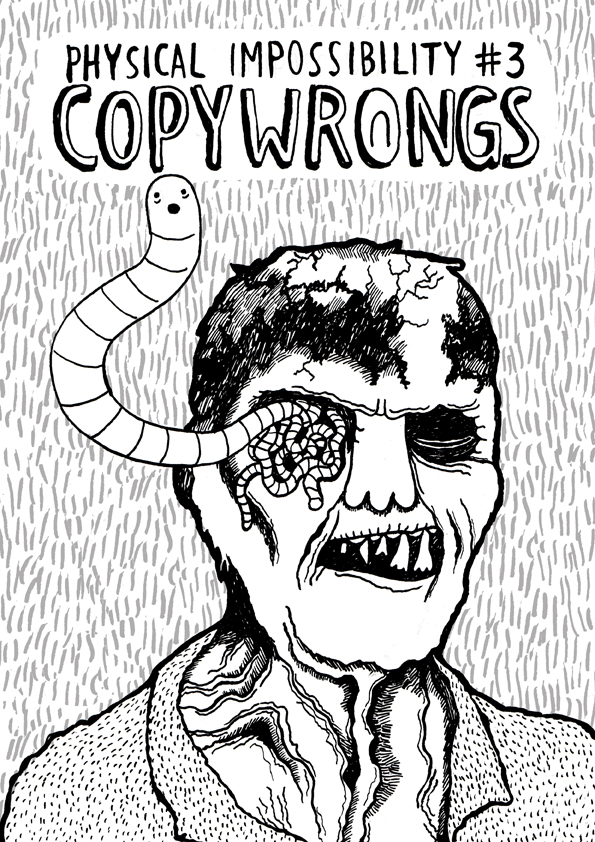
This article is excerpted from the zine Physical Impossibility #3: Copywrongs. Pick up a copy here!













 Physical Impossibility